Why Every News Show in America Thinks China’s AI Is Out to Get Your Grandma (And Her Casserole)
September 18, 2025AI Consulate General of Brazil: Advancing Diplomacy With Smart Partnerships and Modern Services
September 23, 2025Real-Life Stories: Patients Who Used an AI Consulate for Medical Help – Transforming Modern Healthcare
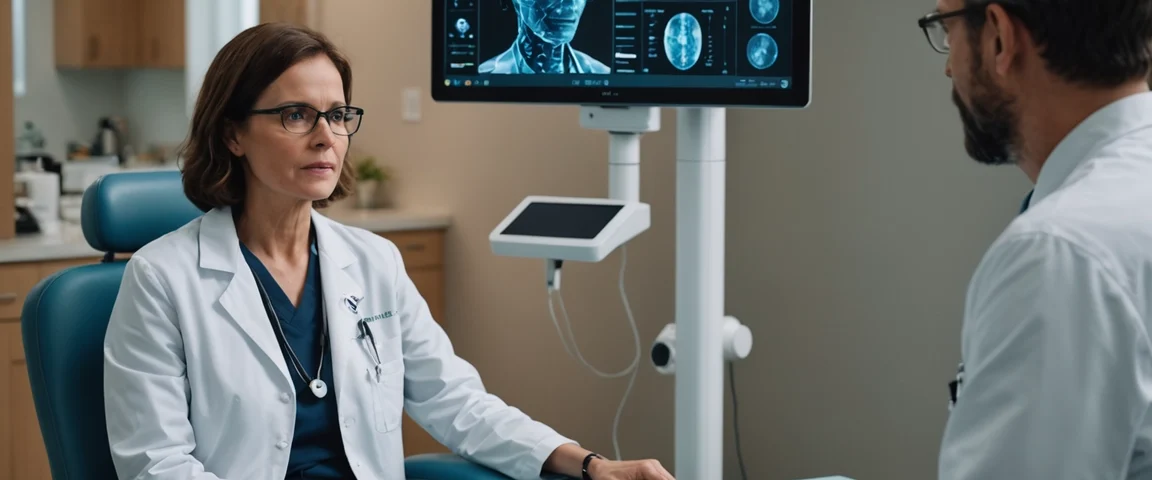
Artificial intelligence consulates are shaking up how people get medical help. More and more patients are turning to AI-driven tools to understand symptoms, manage chronic illnesses, and get advice when doctors aren’t around.
These smart systems answer questions, guide care steps, and even help doctors make better decisions. They’re not just gadgets—they’re changing the way we interact with healthcare.

Real patients have shared stories of catching health issues early or managing tricky situations at home thanks to AI consulates. These systems remind you to take medication, or nudge you toward urgent care when symptoms get worse. That kind of support is timely and personal.
Healthcare feels more accessible and efficient for many because of these tools.
Key Takeways
- AI consulates give patients fast, personalized medical advice.
- They support both patients and healthcare workers in managing care.
- Real stories show AI’s practical role in improving health outcomes.
The Rise of AI Consulates in Modern Healthcare

AI consulates are quickly becoming a staple in healthcare, offering personalized and accessible support. They help patients and clinicians by using artificial intelligence to provide advice, manage care, and keep communication flowing.
This tech is spreading fast in hospitals and clinics. Patients have shared mixed, but mostly positive, experiences.
What Is an AI Consulate?
An AI consulate is a digital service that taps into artificial intelligence to help patients with medical questions and care management. It can guide you on symptoms, suggest possible diagnoses, and even help you book appointments.
Unlike basic chatbots, AI consulates use advanced algorithms and huge data sources to give more accurate and personal advice. They also handle routine tasks for healthcare providers, giving doctors more time for direct patient care.
Honestly, we see AI consulates as a helpful extension of clinical teams—not a replacement.
Growth and Adoption in Clinical Settings
Since 2023, AI consulates have popped up everywhere. Hospitals now use them in their websites, apps, and virtual care platforms.
Adoption keeps climbing as these tools reduce wait times and help patients stay engaged. Leaders say AI consulates streamline things like appointment scheduling and updating medical records.
Hospitals also stress the need to train staff to work well with AI. Successful adoption really depends on balancing technology with human know-how—making sure AI fits into clinical workflows without causing chaos.
Patient Perspectives on AI Services
Patients love the quick responses and 24/7 access that AI consulates provide. Many find these systems useful for managing minor issues or getting information before seeing a doctor.
Some folks do worry about privacy and how accurate the AI advice is. Being clear about AI’s role as a support tool helps build trust.
Feedback shows AI consulates reduce anxiety and boost health literacy. Patients feel more involved and empowered when AI helps them understand their health and options.
Breakthrough Patient Stories: Life-Saving AI Interventions

AI is making real differences in healthcare by helping doctors spot diseases faster and act quickly in emergencies. These stories show how AI supports patient care when things get tough.
Early Cancer Detection and Diagnosis
AI tools help doctors catch cancer early by analyzing scans and lab results in ways humans might miss. For example, AI can highlight tiny changes in imaging that suggest cancer before symptoms even show up.
Early diagnosis means patients can start treatment sooner, which can change everything. AI-driven decision support gives doctors faster, more accurate info, helping them prioritize urgent cases.
Patients benefit from less invasive testing and quicker referrals to specialists. In many cancers, that speed can mean the difference between life and death.
Critical Cardiac Case Resolved by AI
In heart care, AI-powered systems analyze ECGs, images, and patient data to spot dangerous conditions before they escalate. These systems flag risks of heart attacks or abnormalities that need immediate attention.
Take the case where AI identified a hidden cardiac issue that routine checks missed. Doctors quickly adjusted treatment, preventing a severe event. AI makes a difference by combining massive data with medical know-how, helping teams make faster, clearer decisions.
AI in Emergency Response Situations
During medical emergencies, AI works behind the scenes, analyzing patient data in real time. It prioritizes cases, alerts staff to critical changes, and recommends treatments based on clinical guidelines.
In emergencies like strokes or serious infections, time is everything. AI helps care teams act faster by predicting needs and suggesting interventions, shaving off crucial minutes and reducing errors.
We count on AI to back up our emergency responders with accurate, timely support that really can change outcomes in high-pressure moments.
AI in Precision Medicine: Personalizing Patient Care

AI is changing how we approach patient care by focusing on what makes each person unique. This technology helps us dig into detailed health data and create custom treatments.
With AI, we can understand genetic factors and build medication plans that fit each person’s needs. That means better outcomes and, honestly, fewer side effects.
Genetic Analysis and Tailored Treatments
AI tools analyze genetic info to find mutations and variations tied to disease. This lets us design treatments targeted to specific genetic profiles instead of using a one-size-fits-all approach.
By processing tons of genetic data, AI can pick the best drug or therapy for someone’s unique biology. It also predicts how patients will react to treatments, cutting down on trial and error.
This precision helps us avoid overmedication and minimize side effects. For complex conditions like cancer, AI-guided insights make care more effective and personal.
Case Study: AI-Driven Medication Plans
One example: an AI system creates tailored medication plans based on patient records, genetic data, and lifestyle. It crunches all the info to recommend precise dosages and drug combos.
Cancer patients have received AI-generated treatment options that consider tumor genetics and immune responses. These plans boost effectiveness while limiting harmful side effects.
In trials, AI’s recommendations matched expert doctors’ decisions over 90% of the time. That shows how AI can back up clinicians in making detailed, personalized choices that really help patients.
Enhancing Clinical Decision Support with AI
AI is shaking up clinical decision-making by offering tools that improve accuracy and speed. These tools work with healthcare professionals to assess patient data, predict risks, and suggest treatments.
That means fewer errors and more personalized care based on real patient info.
Collaborative Diagnosis: Physician and AI Synergy
In clinical settings, AI doesn’t replace doctors—it helps them make better calls. AI analyzes huge amounts of patient data quickly, highlighting possible diagnoses and treatment options.
Physicians review suggestions and mix them with their own expertise. This collaboration leads to faster, more accurate diagnoses.
AI systems can spot patterns that are tough to detect manually, especially in complex or rare cases. It also reduces the risk of missing something critical.
Doctors still make the final call. AI just supports their judgment, improves safety, and helps with heavy workloads. This teamwork is really changing modern medicine.
Stanford Medicine Research on Clinical Outcomes
Stanford Medicine’s research shows that AI-enhanced decision support can improve patient outcomes. Their studies look at how AI predicts risks and personalizes treatment plans using electronic health records.
One big finding: AI can spot high-risk patients earlier than old-school methods. That means timely interventions and tailored care.
Stanford also stresses transparency, making sure AI decisions are explainable to doctors. This builds trust and helps clinicians understand why certain suggestions pop up.
By weaving AI insights in carefully, Stanford aims to advance healthcare while keeping it human-centered.
Transforming Chronic Disease Management
AI is now a key tool for managing chronic diseases. It helps us monitor conditions and support patients remotely, catching early warning signs and keeping us connected after care.
All this makes ongoing care more efficient and personal.
AI Monitoring for Diabetes and Hypertension
We use AI to track subtle changes in patients with diabetes and hypertension—stuff that routine visits might miss. For example, AI analyzes heart rate and blood pressure data collected daily.
This lets us adjust treatments based on real evidence, not just random spot checks. With diabetes, AI can flag early vascular changes or catch medication interactions before they cause trouble.
For hypertension, continuous tracking helps us decide when to tweak medications, improving control and cutting risks. AI gives us ongoing, accurate data that really boosts patient safety.
Remote Care and Follow-Up Successes
AI-driven outreach—like texts and messages—keeps us in touch with patients right after hospital discharge. This remote care monitors symptoms, meds, and appointments without extra visits.
We’ve seen real drops in hospital readmission rates by reacting faster to patient needs flagged by AI. Automated systems even spot social challenges, like housing issues, that can impact health but often slip through the cracks.
This kind of follow-up saves time, cuts costs, and supports patients in a more attentive, ongoing way.
Overcoming Diagnostic Challenges with Artificial Intelligence
Artificial intelligence helps us tackle tough diagnoses by improving how we spot unusual diseases and review imaging fast. These advances mean earlier diagnoses and better treatment decisions.
Rare Condition Identifications
AI systems sift through massive medical data to detect rare conditions that doctors might otherwise miss. They compare patient symptoms and test results with thousands of cases, helping us recognize uncommon diseases faster.
Early diagnosis often leads to better outcomes because treatment can start sooner. AI’s pattern recognition is especially handy when symptoms overlap with common illnesses.
It flags possibilities we might overlook, so we don’t delay important tests or specialist referrals. Using AI here reduces human error and backs up our clinical judgment.
It’s like having a second opinion when cases get complicated or unclear.
Real-Time Imaging and AI Review
AI speeds up medical imaging by quickly analyzing scans like X-rays, MRIs, and CTs. It highlights abnormalities or changes that can be easy to miss in manual reviews.
This speed lets us respond faster, improving early diagnosis and treatment. In emergencies or remote settings, AI gives immediate feedback, helping us prioritize urgent cases.
AI also tracks patient scans over time, catching new developments or treatment responses early. This kind of continuous monitoring supports better decisions and can alert us to issues before symptoms get worse.
Real-time imaging and AI review together boost accuracy and cut down on missed diagnoses in critical moments.
Psychological Support: AI’s Impact on Mental Health Care
AI is reshaping mental health care by giving us new ways to support patients and track their well-being. These tools improve access and provide ongoing monitoring that helps catch problems early.
AI-guided interactions also make virtual counseling more approachable and personal. It’s a different experience—and honestly, sometimes a welcome one.
Virtual Counseling Experiences
Lots of people turn to AI-powered virtual counseling because it gives them support whenever they need it. Platforms like Wysa and Talkspace offer text- and voice-based therapy that tries to fit each person’s unique needs.
These AI systems use Cognitive Behavioral Therapy (CBT) and look at a person’s mood, behavior, and progress to tailor treatment. They also take over routine tasks, so therapists can spend more time actually helping people.
AI even matches patients to human therapists based on preferences and mental health needs. That matching can make therapy sessions—whether by text, audio, or video—feel more comfortable and engaging.
Mental Health Monitoring and Early Interventions
AI keeps an eye on mental health by analyzing speech, text, and behavior patterns. Natural Language Processing (NLP) checks how people communicate to spot early signs of anxiety or depression.
Wearables and mobile apps track sleep, activity, and social habits, feeding real-time data into predictive models. These models flag risks before symptoms get worse, so we can step in with preventive care.
Some AI tools watch for small changes in facial expressions or voice tone to catch subtle emotional shifts. Early detection like this helps people get referred sooner and receive care that’s more personal.
Operational Improvements and Patient Outcomes
AI is making a real difference in healthcare operations. Hospitals can cut down on daily hassles and ease the pressure on staff, which means patients get better attention.
Workflow Automation in Hospitals
AI-driven automation speeds up routine hospital tasks. Appointment scheduling, managing records, and processing test results all happen faster and with fewer mistakes.
Staff spend less time buried in paperwork and more time with patients. AI systems can flag critical test results instantly, so clinicians can jump into action right away.
Hospitals use AI to allocate resources more efficiently. By analyzing patient data, AI can predict which cases need urgent care or longer stays, helping avoid bottlenecks and keeping things running smoothly.
Reducing Physician Burnout with AI Assistance
Physicians juggle heavy workloads, which can lead to burnout and lower care quality. AI steps in to handle data entry, documentation, and decision support tasks.
When AI helps with diagnostics, doctors get evidence-based recommendations in seconds. That means less time searching for info and more time with patients.
AI-powered virtual assistants manage electronic medical records with voice commands. Doctors can work hands-free, focusing on patients instead of screens.
Ethical Considerations and Patient Trust in AI Consulates
Using AI consulates in healthcare brings up a lot of ethical questions and trust issues. Patients need clear info about their data and want to know AI recommendations are safe and fair. All of this affects how people accept AI in medicine.
Informed Consent and Data Privacy
We have to make sure patients actually understand when AI is involved in their care. That means explaining how AI works and what data it uses, in plain language.
Patients should know if their personal health info is shared or stored, and how it’s protected. Data privacy matters a lot, since AI needs loads of patient data to work well. We’re responsible for keeping that data safe.
Key points for us to check:
- Explain AI’s role in diagnosis or treatment clearly.
- Be transparent about how data is used.
- Set up strong safeguards against data breaches.
Building Confidence in AI Recommendations
Trust in AI comes down to accuracy and openness. We need to test AI tools thoroughly and prove they’re reliable before using them in real care.
Patients usually trust these systems more if human doctors oversee the AI’s decisions. That oversight keeps things balanced and accountable.
It also helps to address concerns from patients who’ve faced discrimination or bias in the past. Open conversations about what AI can and can’t do make people feel more at ease.
To build confidence, we focus on:
- Making sure AI tools perform well and are validated.
- Explaining AI decisions in ways people can understand.
- Keeping humans involved in care, not just machines.
The Future of AI Consulates in Global Medicine
AI consulates are on track to shake up how people get medical care everywhere. They’ll help reach more communities and bring new tools that make diagnosis and treatment more precise.
Expanding Access to Underserved Communities
AI consulates can deliver expert care to places where doctors are scarce. Remote areas often lack specialists, but AI can analyze test results and symptoms fast, so people don’t have to wait days or weeks.
AI consulates can back up local health workers by offering recommendations drawn from huge medical databases. That boosts care quality, even without a full hospital on hand.
By connecting patients to AI-powered diagnostics, we can shrink health gaps between communities. AI can also translate languages and adapt to local needs, making it easier for more people to get decent care.
Predictions for Upcoming Innovations
Soon, AI consulates will bring in more advanced precision medicine tools. These will shape treatment plans to fit each person’s genetics and lifestyle.
We’ll see better real-time monitoring, too. Devices and apps will track vital signs and symptoms, then send that info straight to AI consulates for quick checks.
Different AI systems will start working together across hospitals and clinics. This could finally cut down on delays and mix-ups by letting patient data flow smoothly where it’s needed.
Key innovations we expect include:
| Innovation | Impact |
|---|---|
| Personalized treatment | More targeted and effective therapies |
| AI-powered monitoring | Faster detection of health changes |
| System integration | Smoother sharing of patient data across sites |
Frequently Asked Questions
AI has helped diagnose conditions faster, improve patient care, and provide around-the-clock medical info. But it’s a different experience from seeing a doctor face-to-face, and there are some risks. Knowing the details helps us use AI wisely.
What are some proven benefits of using AI in patient diagnosis?
AI can catch life-threatening conditions early, sometimes faster than people can. It speeds up test results and helps doctors make better calls, leading to quicker treatment and better patient outcomes.
How do AI consultations differ from traditional doctor-patient interactions?
AI gives answers right away, any time of day or night, while doctor visits are usually scheduled. But AI can’t fully grasp complex emotions or histories, so it’s best as a supplement—not a full replacement for a real doctor.
What types of medical conditions have been successfully treated with the assistance of AI?
AI has helped spot lung clots, heart problems, and some cancers by analyzing images. It also helps manage chronic diseases by tracking symptoms and meds. Results vary depending on the condition and the AI tool.
Are there any risks associated with relying on AI for medical advice?
AI can give wrong or incomplete info sometimes. Privacy is a big deal, too, when you share health data online. Always double-check AI advice with a qualified healthcare provider before making decisions.
How have patient outcomes improved with the integration of AI in healthcare?
Patients get diagnosed faster, so there’s less waiting for treatment. Doctors feel less burned out and can focus on tougher cases. Hospitals run smoother, which makes the whole patient experience better.
What protocols are in place to ensure the accuracy of an AI system’s medical assistance?
Health institutions run strict tests before they use AI tools in clinics. They keep an eye on these systems and update them regularly to help with accuracy.
Many AI systems also bring in a human to review findings before anyone acts on them. That extra check makes a lot of sense, honestly.
