

AI Diplomacy in 2026: How You’ll Spot It, Trust It, and Use It
December 27, 2025
2026 The Role of AI in Conflict Resolution (What Helps, What Hurts, What Works)
December 27, 2025
You’re standing in a foreign airport with a tight connection. Your phone buzzes with a message from the consulate site: the form you submitted is missing one item, and you can fix it right now. Ten years ago, that would’ve meant emails, long holds, and guesswork.
That’s what AI consulates look like in real life. Not a sci-fi office with robot clerks, but regular consulates driving digital transformation of diplomatic facilities with AI tools to answer questions, translate instructions, check documents, and spot urgent cases faster.
In this guide, you’ll see what AI consulates do today for consular services, where they can go wrong, and what you should do to protect yourself when you rely on them abroad.
What “AI consulates” are, and what they are not
An “AI consulate” isn’t an official label. It’s a useful shorthand for a consulate or diplomatic mission that adds AI to daily consular services, like visas, passports, citizen help, safety messages, and fraud checks.
It’s not a “robot consulate” that makes legal calls without people. That idea makes headlines, but it doesn’t match how consular services run. Real cases still need human oversight from officers who can weigh context, apply the law, and handle emergencies.
Think of AI here like an extra set of hands. It sorts routine work, answers common questions, and flags issues that need a human.
AI consulate vs traditional consulate, what changes for you
What you’ll notice first is speed and access.
- You get faster replies to common questions, often after hours.
- You see clearer steps on forms, with fewer dead ends.
- You get more language support, both written and spoken.
- You can self-serve more tasks, like booking slots and checking status.
What still needs a person stays the same: complex cases, appeals, exceptions, emergencies, and any decision with high stakes. If the outcome can block travel, split a family, or affect safety, you should expect human review from consular officers and the right to ask for it.
Related idea: “data embassies” and why they matter to consular AI
When AI helps process cases, it needs data: identity records, case files, appointment logs, and sometimes biometrics. That raises a hard question: where is your data stored, and whose law applies?
That’s where “data embassies” come in. They’re secure data centers hosted in another country under legal agreements with interoperability, meant to protect services if the home country is hit by a cyberattack or disaster, while prioritizing data protection. Estonia’s model in Luxembourg is the best-known example, described in Luxembourg’s overview of e-embassies and hosted government data. Estonia also explains the concept and goals in its Data Embassy program.
For AI consulates, the link is simple: the safer and clearer the data rules are, including data protection and data privacy, the safer your records are. “Where it’s stored” matters, but so does “who can access it,” “how long it’s kept,” and “what happens if there’s a breach.”
AI consulates in action, the real tools doing the work

When people talk about AI in consulates, they often picture one big system. In practice, it’s a set of smaller tools handling visa processing at different points in your case.
As of 2025, government agencies are pushing responsible AI use in public services. Reporting has also pointed to plans to scale capacity with AI as demand rises, like the Reuters report on the U.S. looking to use AI to boost consular services for major travel demand in 2026, available here: US may bolster consular services, employ AI to meet World Cup visa demand.
Here’s what the “in action” version looks like, from your side of the screen.
Chatbots and smart help desks for visas, passports, and travel questions
You open a consulate site and see a chat box. You ask: “Do I need an appointment?” or “Which photo size is required?” Powered by large language models, the bot replies with a checklist for your visa applications, links, and a way to book.
This can also work for status updates and basic troubleshooting in visa processing. The UK government has even published a real public use case on AI-assisted triage for consular inquiries, including lost passports and other needs, on its site: Consular Digital Triage.
Limits matter. Bots can be wrong, rules change, and your case may not match the “standard” path. When a step affects timing or eligibility, confirm it on official pages, or ask staff to confirm.
Machine translation and voice tools that reduce language stress
If you’ve ever tried to explain a stolen wallet in broken phrases, you know the stress. AI translation tools can help you read instructions, understand email updates, and speak with staff through voice translation.
This can cut down small errors, like missing a fee detail or misunderstanding a pickup time. It also helps when the consulate serves a wide mix of visitors and residents.
Still, translation can stumble on legal wording, names, and place details. Double-check spellings for your full name, passport number, dates, and addresses. One swapped digit can slow everything down.
Document sorting and fraud checks that speed up routine cases
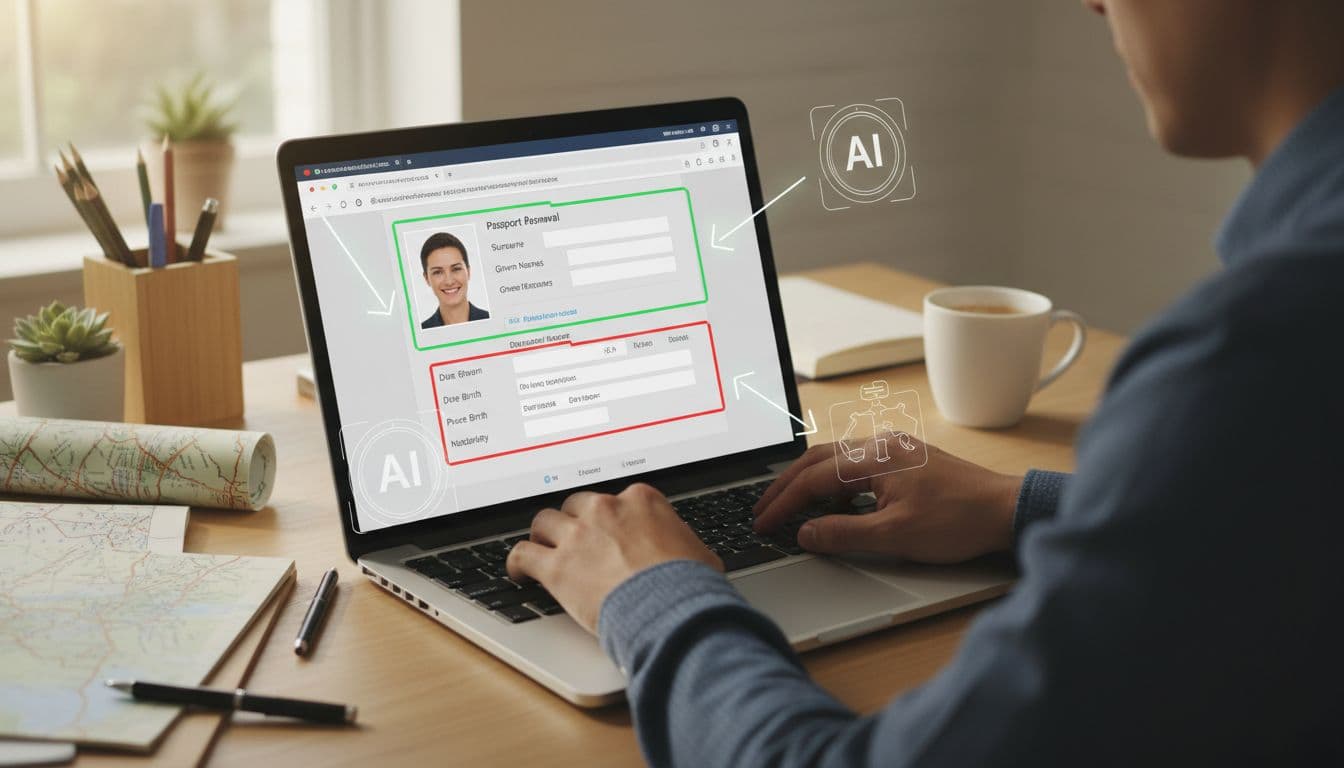
From your view, you upload files for visa applications. You might get instant feedback through document verification: missing page, blurry scan, wrong format, or an expired document. That’s AI boosting processing speed with early sorting.
Behind the scenes, machine learning tools can flag odd patterns linked to forged papers. The key point is this: a flag is not a verdict. It’s a signal for review. A well-run system uses AI to surface risk, then a trained officer checks the full context.
If you’re asked for more proof, don’t panic. Respond fast, keep copies, and ask what triggered the request in plain terms.
Early-warning signals that help consulates respond faster in crises

In a storm, protest wave, or sudden airport shutdown, consulates can get flooded with calls. AI can help scan open sources like news and public posts in crisis management, then spot spikes in distress signals and route messages.
What you feel is simple: quicker alerts, faster triage, and better staffing when demand surges. It won’t stop a crisis, but it can cut the time between “something’s happening” and “help is organized.”
What you gain, and what you should watch out for
You benefit when AI handles repeat questions and routine checks, reducing the administrative burden. You also take on new risks, mostly around data and errors. This section is where you keep your feet on the ground.
Your wins: shorter waits, clearer steps, and more help after hours
AI-powered consular services can help when timing is tight.
- Shorter waits for basic questions and simple updates.
- Clearer steps on forms that catch mistakes early.
- More access after hours, when time zones don’t cooperate.
- Better language support, which matters when stress is high.
- More consistent info, so you don’t rely on random forum advice.
If you lose a passport on a weekend, that after-hours guidance can stop you from wasting a full day.
Your risks: privacy, wrong answers, bias, and “black box” decisions
The risks are real, and they hit regular travelers first.
Privacy: Data privacy concerns arise when you share digital ID, travel plans, contact info, and uploaded documents. In some systems, biometric onboarding may also be part of identity checks.
Wrong answers: A bot may point you to the wrong form version, or miss a special rule for minors, dual citizens, or urgent travel.
Algorithmic bias: If a model learns from messy past data, it can flag certain names, regions, or document types more often. That can mean extra checks for some groups.
Black box decisions: Automated decision-making brings risks when your case is delayed because “the system flagged it.” You deserve a clear reason you can respond to, not a shrug.
To see how consular teams talk about using ethical AI while keeping the human role, this 2025 piece on modernizing consular services with AI is a useful read.
How to protect yourself when you use AI-powered consular services
You don’t need to fear artificial intelligence tools. You do need a simple routine.
- Use official domains only. Don’t follow random “appointment help” links from social media.
- Save screenshots and receipts after every upload and payment.
- Upload only what’s asked. Don’t add extra documents “just in case.”
- Confirm deadlines in writing. Time limits can be strict.
- If the stakes are high, ask for human review and keep a record of that request.
- For emergencies, store the consulate’s direct number, plus local emergency numbers, in your phone before you need them.
What’s next for AI consulates, and how to get ready

Near-term changes won’t feel flashy. They’ll feel like fewer mistakes, faster routing, and better updates.
The next wave you’ll notice: smarter forms, safer identity checks, better updates
Expect forms that catch errors as you type, smarter appointment routing powered by robotic process automation, faster status notices, and clearer next steps. You’ll spend less time guessing which path fits you.
You may also see more digital identity checks. That can reduce fraud, but it also raises the bar for data handling. Strong security and clear retention rules will matter more.
What to ask from your government: transparency, appeal paths, and strong security
When your government rolls out AI features under robust governance frameworks, you should expect basics that protect you:
- Transparency through clear notices on what data is used, and why.
- A plain path to appeal and human review.
- Service level agreements for errors and outages.
- Regular audits for bias and accuracy, complete with audit trails.
- Strong security for systems hosted overseas, with regulatory compliance and clear legal control.
If those points aren’t visible, ask for them. Public services should earn trust, not demand it.
Conclusion
AI consulates are still consulates. They’re using artificial intelligence to handle routine consular services faster, so you get clearer steps and quicker help. The trade-off is that you must watch data sharing, confirm high-stakes guidance, and keep records like you’re building a small paper trail.
Use official channels, save every receipt, and push for human review when the outcome matters. That’s how you get the speed without giving up control.
