

Real-Life Stories: Patients Who Used an AI Consulate for Medical Help – Transforming Modern Healthcare
September 23, 2025
Which Country Is No. 1 in AI? Global Leaders, Trends & Rankings
September 24, 2025AI Consulate General of Brazil: Advancing Diplomacy With Smart Partnerships and Modern Services
Brazil stands out as a leader in weaving artificial intelligence into its diplomatic work. The phrase “AI Consulate General of Brazil” describes the country’s push to use advanced technology in everyday consular tasks and its drive to shape global talks about AI. This initiative is more than technical upgrades; it’s a pledge to make services smarter, faster, and more secure for people and businesses.
Brazil’s consulates play a key part in this shift. The consulate in Shanghai, for example, joins hands with China on AI projects involving smart cities, tech policies, and digital governance. These partnerships build trust and expand Brazil’s influence across borders.
Recent years have seen Brazil take center stage in leading global efforts around AI. As host of the G20 in 2024 and chair of BRICS in 2025, the government placed ethics, fair use, and international rules for AI at the heart of the agenda. Inside consulates, tools like automated document review and anomaly detection make processing visas or passports easier and more accurate.
By blending human skill with AI, Brazil moves its diplomatic missions forward. This approach benefits citizens, encourages global cooperation, and helps set standards for the safe and fair use of artificial intelligence worldwide.
Brazil’s Push for AI in Diplomacy

Brazil moves forward with a strong national strategy to put artificial intelligence at the core of its diplomatic and public service work. The Ministry of Science, Technology and Innovation has set the tone by building alliances and setting rules for fair, responsible use of AI. The government puts real effort into global talks, often leading events that invite debate about the future of technology and its ethical use. From New York to Shanghai, Brazil’s consulates take active steps to link public policy, tech expertise, and real-world solutions.
Key Events and Partnerships
Brazil’s commitment to AI in diplomacy shows in a series of clear, high-impact moves:
- Brazil’s Harvard panel series focused on deepening AI research, connecting Brazilian scientists with leading US universities.
- At Michigan State University Law, the tech diplomat from Brazil’s consulate explained the country’s new laws for safe and fair AI. This included steps on ethics and personal data protection.
- The Shanghai consulate partnered with Chinese experts on AI for smart cities, aimed at improving urban governance, health, and transportation.
- In New York and San Francisco, consulates held public events that built knowledge and trust around AI, teaming up with local companies and US leaders in technology.
- Global talks like Columbia University’s seminar brought together voices in energy, AI, and climate, with Brazil’s diplomats playing a key role.
These partnerships pay off by:
- Speeding up visa processes with AI-powered tools.
- Sharing new tech to make city life safer and simpler.
- Building laws and agreements for fair AI across borders.
- Expanding access to training and resources for both Brazil’s citizens and its partners.
Brazil’s active role as G20 host in 2024 and BRICS chair in 2025 keeps international AI rules and ethics on the world agenda. This makes Brazil a trusted link between the US, China, and other key partners.
AI Tools in Daily Consular Work

Artificial intelligence works behind the scenes in Brazil’s consulates each day. These systems scan and sort documents, help review visa and passport applications, and spot missing info in real time. The result is a faster, more reliable service for Brazilians all over the world. AI tools let staff focus on complex issues or support citizens in emergencies, rather than get stuck on paperwork. From photo checks to file sorting, intelligent automation boosts speed while protecting personal data.
Benefits for Brazilian Citizens Abroad
Brazilian citizens living or traveling overseas expect quick support, especially in urgent times. AI tools are changing what’s possible at consulates.
- Faster visa renewals and passport applications: AI scans and checks uploaded documents for common problems, like outdated photos or missing signatures. This means fewer people have to redo paperwork or wait weeks for corrections.
- Emergency aid: In urgent cases, AI can spot requests marked as emergencies and send them to the top of the queue so people receive faster help.
- Fewer mistakes and rejections: Algorithms flag potential issues in real time, such as blurry ID photos or errors in date fields, reducing manual review backlogs.

For example, if someone submits a passport photo with the wrong background color, the system highlights the issue before the application is sent. Robotic process automation sorts files, summarizes key details, and sends alerts if information is missing or mismatched. Staff can then work directly with citizens instead of scanning forms for errors. This approach, now common in top global consulates, helps Brazil set a high standard abroad.
Challenges and Safeguards
AI tools bring risks as well as benefits. Data security and privacy must stay top priorities, as consulates handle sensitive personal and biometric data from thousands of people. Bias in AI models can cause unfair treatment, like wrongly flagging certain names or document types.
Brazil is building strong rules to guide how AI is used. These include steps for:
- Strict data protection based on the LGPD privacy law.
- Careful review of AI systems to spot and reduce bias.
- Regular updates to keep security defenses strong.
Training is also part of the plan. Consular staff learn how to use AI tools, report problems, and watch out for glitches or bias. This helps them trust the systems and raise concerns fast. Brazil’s approach mixes new technology with firm safeguards, aiming for progress and public trust at the same time.
Future Outlook for AI in Brazilian Consulates

Looking ahead, Brazil is ready to bring artificial intelligence into even more areas of consular work. The country continues to update how it serves citizens, working with both global peers and industry leaders. The next wave of AI will move beyond document review and start shaping how people interact and solve problems every day at consulates across the globe. This forward-thinking approach keeps Brazil at the heart of both tech progress and international policy.
Expanding Service With Virtual and Predictive Tools
Brazilian consulates are testing new AI features that can make life easier and save time for citizens abroad. These include:
- Virtual consular meetings: Secure video calls powered by smart scheduling, offering faster support without travel.
- Predictive service: Systems that anticipate the questions or needs of citizens based on previous contacts, so staff can give better answers before issues turn urgent.
- AI language support: More tools for real-time translation and voice-to-text help make it easier to get clear answers in Portuguese, English, or other languages.
These new services reduce wait times and help staff focus on cases where human judgment makes the most difference.
Shaping Global Standards Through BRICS
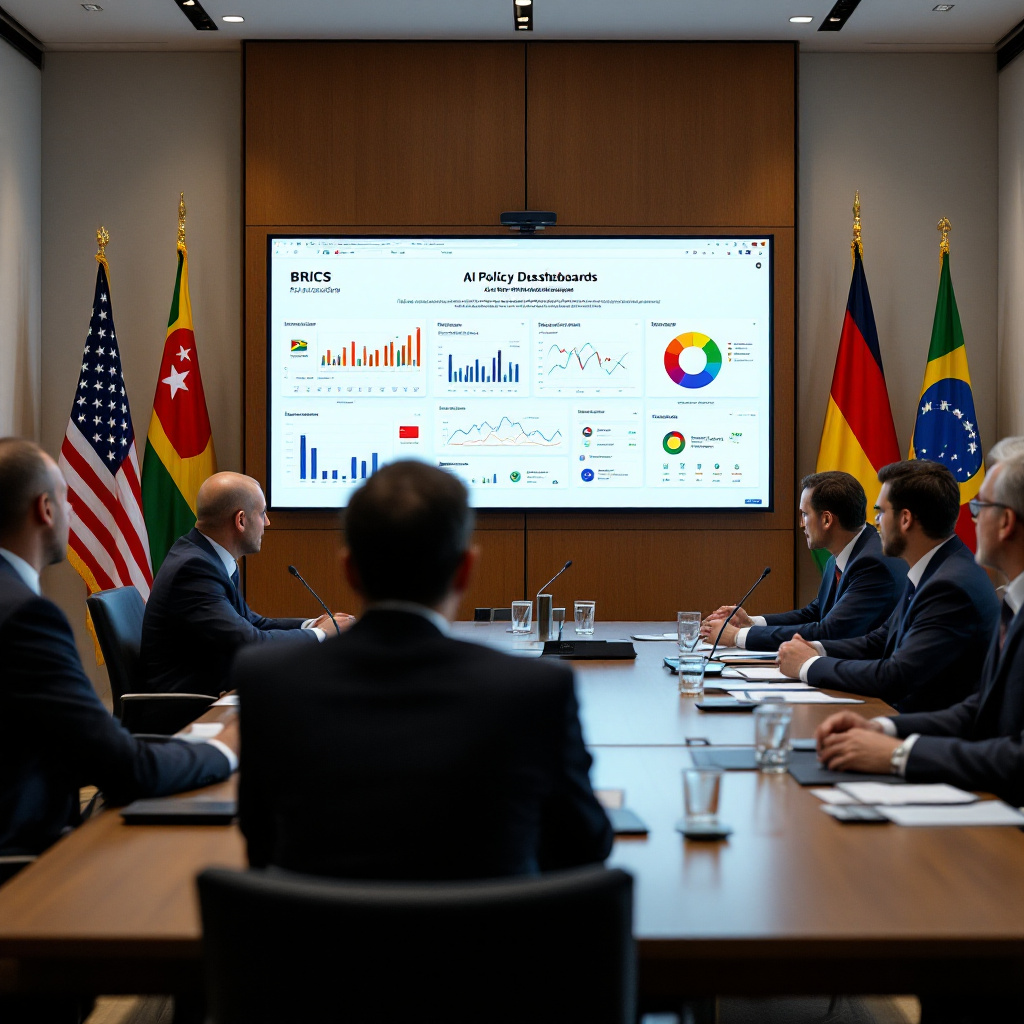
As chair of BRICS and a leading voice at events like the G20, Brazil has a major hand in shaping how other countries use AI in public service. The focus stays on:
- Shared security guidelines
- Reliable data handling
- Ethical AI use
This means that Brazil’s rules help form the foundation for agreements and laws that span continents. Consulates become testing grounds for smart global standards that protect privacy and encourage fair use.
Global Partnerships: US Embassy and Beyond

Collaboration with the US Embassy and American tech agencies keeps Brazil’s AI programs on track with new research and real-world tests. These ongoing projects focus on:
- Risk detection: Spotting fraud in visa and passport applications before it causes problems.
- AI training: Helping staff learn to use advanced tools with confidence.
- Citizen outreach: Creating shared information hubs for both Brazilians and Americans needing consular help.
These joint goals keep Brazil’s tech progress strong and its public trust high.
Growth in Smart Diplomacy Tools

AI’s role will only grow as more tasks shift to digital channels. Smart analytics, personalized support, and secure automation promise to expand across all consulates. In the next few years, expect to see:
- AI systems that guide travelers through emergencies using chat or voice.
- Platforms for consular staff to share anonymous case data and spot new trends early.
- Real-time dashboards that show service needs in different regions, improving resource use.
As Brazil continues to invest in both technology and strong global partners, its consulates set a clear model for the future of smart, citizen-centered diplomacy.
Conclusion
Brazil’s AI consulate strategy sets a new benchmark for secure, transparent, and citizen-focused diplomacy. By using artificial intelligence in daily services and international policies, Brazil delivers faster service, better data protection, and stronger support for its citizens abroad.
As a leader in AI standards at the G20 and BRICS, Brazil calls for fair, ethical use of technology and puts safeguards first. The country’s national AI laws and global partnerships show a clear plan: protect rights, drive innovation, and put people first.
Follow updates from Brazil’s consulates and embassies to stay informed on these changes. Your feedback and voice matter as these smart services grow. Thank you for reading and sharing your interest in trustworthy, modern diplomacy.
