

AI Consulate Meaning (What People Usually Mean When They Say It)
December 27, 2025
AI Diplomacy in 2026: How You’ll Spot It, Trust It, and Use It
December 27, 2025
You land in a new country, your phone dies, your passport is missing, and you’re standing there thinking, “Embassy or consulate?” Most people mix them up because both fly flags, both answer to the same home government, and both can help you when travel gets messy. The names don’t help either. They sound like cousins who look alike.
Here’s the 2026 twist: more missions now use AI to handle the boring parts fast, like basic questions, booking slots, and language help. But it’s still people running the show. Real officers make the calls, sign the papers, and handle emergencies.
In this guide, you’ll learn what an embassy does, what a consulate does, how “AI embassy” and “AI consulate” tools change your experience, and how to pick the right place for visas, passport help, or urgent support.
Consulate vs embassy basics (what each one does, in plain English)
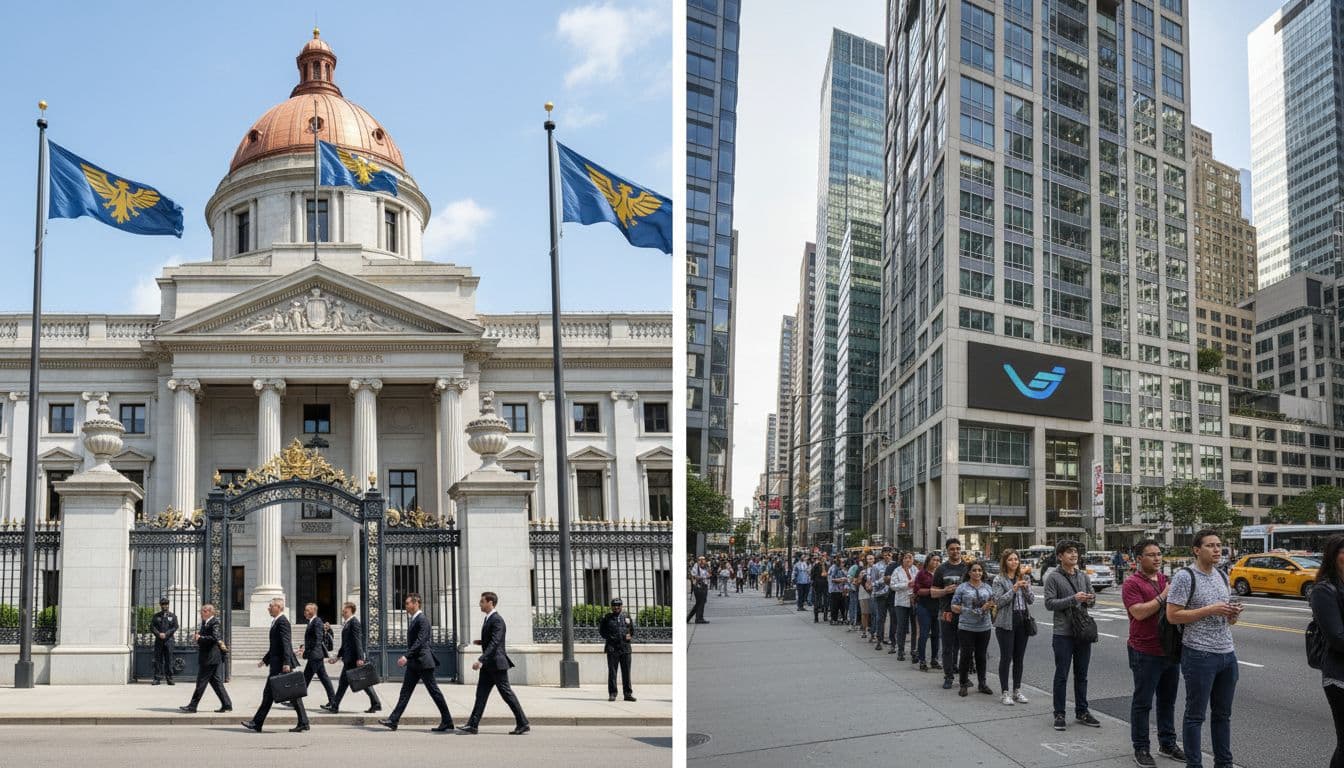
Think of an embassy as headquarters. It’s your country’s main office inside another country, usually in the capital. It’s led by an ambassador (or a top diplomat in charge). The embassy focuses on the big relationship stuff: politics, security talks, trade issues, and formal contact with the host government.
A consulate is more like a service desk, but with real authority. It’s an official office too, often based in major cities where people actually live and travel. It handles public-facing work: visas for visitors, passport services for citizens, notary work, and help when you get in trouble.
Both are “diplomatic missions.” Both represent the same country. The difference is the center of gravity: embassies deal more with governments, consulates deal more with people.
If you want a plain-English explainer from a travel and immigration angle, Boundless breaks down consulate vs embassy in a way that matches how most people run into them.
At a glance
- Purpose: Embassy manages the country-to-country relationship, consulate handles public services.
- Location: Embassy is usually in the capital, consulates sit in major cities.
- Leadership: Embassy is led by an ambassador, consulates are led by consuls (often a consul general).
- Typical services: Embassy covers higher-level coordination, consulate covers visas, passports, and notaries.
What an embassy does for you (and what it usually does not)
An embassy still matters to your everyday life, even if you never set foot inside.
What it does that you’ll feel
- Helps citizens during major crises (big disasters, conflict, evacuation info).
- Coordinates security and serious incidents with local authorities.
- Sets the tone for how your country shows up in that place (which can affect alerts and travel advice).
What it usually does not do
- It usually won’t be your first stop for routine visas if a consulate handles them.
- It won’t “override” local law when you’re in trouble. It can help, but it can’t erase charges.
A few real reasons you might contact an embassy:
- You’re in a country where there’s no consulate nearby, and you need urgent citizen help.
- There’s a large-scale emergency and you need official updates and next steps.
- You need to reach the top mission team about a serious issue that affects many citizens.
For a simple overview from a diplomatic education source, the National Museum of American Diplomacy has a clear explainer on what embassies, consulates, and missions are.
What a consulate does for you (visas, passports, and urgent help)
If you’ve ever waited in a line with a folder of papers and a nervous stomach, you were probably heading to a consulate (or a consular section inside an embassy).
A consulate is where you go for things that need stamps, checks, and human review:
- Visa applications and interviews (for people who want to visit, study, or work).
- Passport renewals or replacements if you’re a citizen abroad.
- Notarial services (affidavits, copies, signatures).
- Emergency support, like help after theft, accidents, or arrest.
A few real examples:
- Your passport gets stolen in a crowded market, and you need an emergency travel document.
- You’re traveling with a child and need consent paperwork notarized.
- You’re applying for a visa and need the official appointment process.
Simple tip that saves stress: always check the mission website before you go. Requirements change, and many offices are appointment-only. A good example of how missions spell this out is the U.S. Embassy and Consulates in the UK FAQs, which shows the kind of details you should look for (hours, booking rules, emergency contacts).
What “AI consulate” and “AI embassy” mean in 2026 (and what they do not mean)
People hear “AI consulate” and picture a robot behind bulletproof glass. That’s not what’s happening.
In 2026, “AI embassy” or “AI consulate” usually means a normal diplomatic mission that uses AI tools to cut wait times and reduce simple mistakes. You still deal with staff. You still need identity checks. You still get human decisions.
So what’s actually changing?
You’re seeing more:
- Chat tools that answer common questions 24/7 (hours, fees, where to upload forms).
- Smarter scheduling that predicts busy periods and opens slots in a more organized way.
- Translation support that helps staff and visitors understand each other faster.
- Trend and risk analysis that helps missions spot issues earlier (fraud patterns, safety signals, major rumor spikes).
Governments are also talking more openly about data and tech in diplomacy. In the U.S., the State Department has pushed “data-informed diplomacy,” and it publishes resources like Data Informed Diplomacy. Public discussions on how diplomats use AI day to day have also grown, including reporting like this Fed Gov Today podcast on AI and diplomacy.
Here’s the part you should hold onto: AI supports the work, it doesn’t replace the duty. High-stakes calls still sit with trained officers, with rules, review, and accountability.
If you want a deeper policy view of where AI and diplomacy may go next, Harvard’s Belfer Center has a solid primer on AI-powered diplomacy.
AI in consular services: faster answers, smarter appointments, fewer simple errors

This is the AI you’ll touch most often, because consular services are heavy on forms and repeat questions.
In practical terms, AI tends to show up like this:
- A website helper that walks you to the right visa category.
- Form guidance that flags missing fields before you submit.
- Document “pre-check” prompts (wrong photo size, expired passport, missing proof).
- Appointment systems that send reminders and reduce no-shows.
- Language support so you can read steps in a language you trust.
This can feel like going from “bring everything and pray” to “bring what’s required and know why.”
Still, some parts won’t move online:
- Many cases still require biometrics.
- Some visa types still require an interview.
- Complex family cases, waivers, and legal issues go to human review.
If you want a grounded take on why consular work is a good fit for AI support (and where the limits are), this piece on modernizing consular services with AI lays it out in plain terms.
AI in embassies: better situational awareness, but humans still make policy calls

Embassies have a different problem than consulates. It’s less “How do we book 1,000 appointments?” and more “How do we keep track of what’s happening right now, and what might happen next?”
AI support inside embassies often looks like:
- Scanning news and public posts for early warning signs.
- Sorting large volumes of messages from citizens during tense events.
- Drafting summaries for meetings (with staff editing and approving).
- Flagging patterns in safety reports that staff should check fast.
You get the benefit when alerts are clearer, answers come quicker, and staff can focus on urgent cases instead of inbox triage.
But the decision chain stays human. The ambassador, the deputy chief of mission, and trained staff own the calls. AI can suggest, summarize, and sort. It doesn’t decide foreign policy.
For broader context on how tech is changing diplomatic practice, DiploFoundation tracks shifts in digital diplomacy and new tools.
Which office to contact, and what to expect (your quick decision guide)

When you’re pressed for time, use this simple filter: paperwork and public services usually mean consulate. Big country-level issues usually route through the embassy (or the embassy coordinates it even if a consulate helps you locally).
Also, missions share systems more than they used to. You might book through one site and get served by another office. Don’t read that as a red flag. It’s just how many countries run their networks now.
Before you reach out, gather a few basics so you don’t waste a day:
- Your full legal name (as shown on the passport).
- Passport number and expiration date (if you still have it).
- Your location and a phone number that works locally.
- Any case number, barcode, or appointment ID.
- Clear photos or scans of documents (front and back when it matters).
Common situations and the right place to start (visa, lost passport, arrest, disaster)
- Visa questions or interviews: Start with the consulate (or the consular section).
- Passport renewal: Start with the consulate.
- Lost or stolen passport: Start with the consulate, ask for emergency travel steps.
- Child travel issues (consent, custody docs, citizenship questions): Start with the consulate, expect extra proof requests.
- Notary needs: Start with the consulate, check what they can notarize.
- Emergency evacuation updates: Start with the embassy site and alerts, then follow the instructions they publish.
- Detention or arrest help: Contact the embassy or consulate using the official emergency line, ask for consular assistance.
After-hours help is usually handled through an emergency phone number. It’s not for routine forms. Use it when safety is on the line.
How AI changes your visit or call (and how to get better help)
AI can make the first step easier, but you still have to bring clean info. That’s the trade.
A few habits that get you better results:
- Use the official mission website, not a random directory.
- Try the chatbot for basics (fees, steps, appointment links), then save the answer.
- Keep your case number in your notes app, not in your head.
- Send clear scans, with good light, no weird angles.
- Write short messages. One request per email helps.
- Expect identity checks, even for “simple” questions.
One last thing: AI tools can be wrong. They can also be outdated. If a requirement affects money, timing, or legal status, confirm it using the official instructions or a staff reply.
Conclusion
If you remember one thing, make it this: embassies handle the big relationship between countries, consulates handle the day-to-day services that hit your real life. In 2026, the “AI” label mostly means better tools inside both offices, not a robot signing your visa.
Your next steps are simple:
- Find the official mission site for your country and location.
- Pick embassy or consulate based on what you need.
- Prep your documents and case numbers before you contact anyone.
- Save the emergency contact details, just in case.
When travel goes sideways, clarity is your best friend, and preparation is your backup plan.
