Is a Consulate the Same as an Embassy? Understanding the Key Differences in Diplomatic Missions
January 28, 2026
How to Use AI for Music Production: Tools and Techniques
January 28, 2026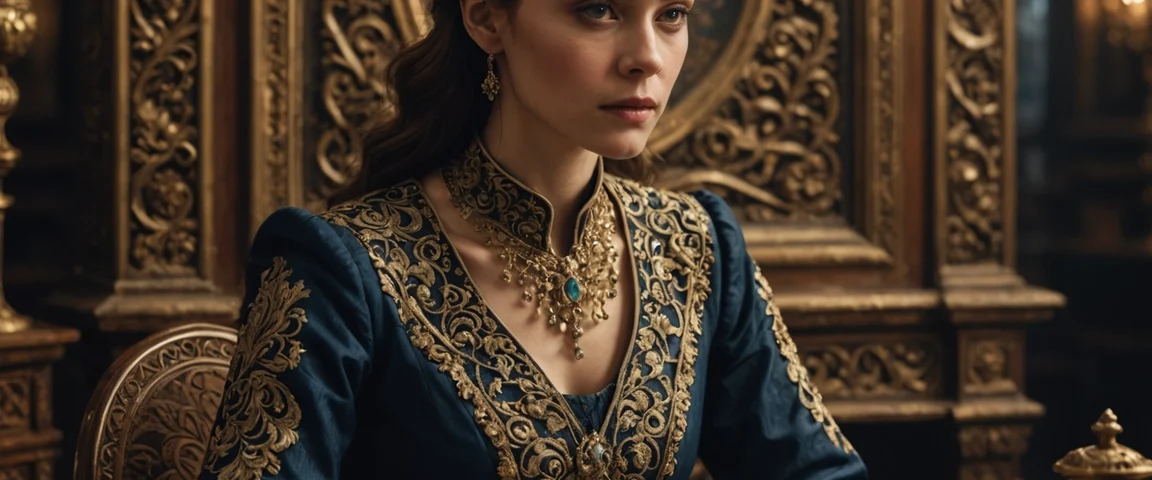
In the ongoing debate of AI art versus human art, you’re faced with a profound shift in creativity. AI generates visuals through algorithms, often missing the emotional resonance that makes human creations unique. This raises critical questions about authenticity and ownership. As technology permeates the art world, it’s worth considering what this means for the future of artistic expression. Can machines ever match the depth of human experience, or are we simply witnessing the evolution of art itself?
The Rise of AI Art: What You Need to Know
As the digital landscape evolves, it’s impossible to ignore how AI art is reshaping the creative world. You’re witnessing the rise of AI methodologies that leverage generative algorithms, expanding artistic possibilities while exposing creative limitations. These technologies enable unprecedented artistic collaborations, blending human imagination with machine precision, yet they prompt ethical considerations worth pondering. Who owns the art generated by machines? As you engage with AI art, consider the cultural implications it carries—does it dilute human expression or enhance it?
Moreover, technology accessibility plays a critical role. Not everyone can create AI art, potentially widening the gap between tech-savvy artists and traditional creators. Still, this innovation invites intriguing audience engagement, challenging traditional perceptions of creativity. In traversing this evolving terrain, you’re called to reflect on how AI is not merely a tool but a collaborator, reshaping the essence of what it means to be an artist in today’s world.
Understanding Human Creativity: An Inside Look
AI art may be reshaping the creative landscape, but understanding human creativity reveals a complex web of inspiration, emotion, and cognition that machines can’t replicate. When you tap into your creative expression, you’re not just assembling ideas; you’re pushing against imagination boundaries shaped by personal experience and societal context. This intricate process involves tapping into memories, emotions, and deeply held beliefs, creating a unique output that resonates with others on a profound level.
Unlike AI, which operates on algorithms and data patterns, your creativity thrives on spontaneity and unpredictability. It’s this human nuance that breathes life into art—be it music, painting, or writing. The emotional weight behind your work, a reflection of your struggles and joys, gives every piece its authenticity. In contrast to AI, your creativity isn’t merely about output; it’s about connection, meaning, and an exploration of the human condition that no machine can truly understand.
Comparing Techniques: How AI and Human Artists Create
While many might assume that the processes of creating art differ starkly between AI and human artists, a closer examination reveals a fascinating interplay of techniques that highlight both similarities and differences. You’ll notice that both employ inspiration sources from cultural context and existing artworks. However, there’s a striking style divergence; human artists often incorporate personal experiences, while AI relies heavily on algorithmic influence, resulting in process similarities yet starkly different outputs.
Creativity boundaries come into play, as human artists often push against those limits driven by emotion and intention, whereas AI’s focus lies in novelty generation through data analysis and technical mastery. Ultimately, the techniques reveal a complex narrative where human intuition meets computational prowess. As you reflect on these differences, consider how each artist—whether human or AI—navigates the delicate line between creativity and replication.
Emotional Depth in Art: What’s the Difference?
How do you measure the emotional depth in artwork? It’s a nuanced challenge, especially when comparing AI-generated pieces with human creations. A true emotional connection often stems from an artist’s lived experiences and artistic intent, which AI simply can’t replicate. When you look at a painting, you pick up on the subtleties—the brush strokes, the chosen colors—that reveal the artist’s feelings and thought processes.
AI, programmed to analyze patterns, generates visuals based on collected data but lacks personal struggles and moments that create genuine emotional resonance. This absence can lead to art that feels sterile or impersonal.
Ultimately, while AI can create visually stunning works, human art possesses a depth rooted in shared experiences and emotional honesty, fostering a lasting connection that AI struggles to achieve. It’s in this complexity where the true value of human creativity lies.
Authenticity in Art: Can AI Truly Create Original Works?
The quest for authenticity in art raises important questions about what it means to create something original. You might wonder whether AI can truly generate original works, especially in light of the originality debate. While AI produces impressive outputs by synthesizing data and styles, it lacks personal experience, emotions, and intentions—key components that underpin human creativity. This difference sparks a conversation about creative ownership. When an AI generates art, who really claims that creation? Can a machine, devoid of consciousness, be considered an artist?
These questions challenge the very essence of authenticity in art. Authenticity is rooted in human experience, and without it, AI-generated pieces often feel more like reflections of inputs than novel expressions. While AI can enhance our creativity or aid in the artistic process, it may never truly create original works that resonate on a deeply personal level. You have to decide where you stand in this ongoing debate.
The Role of Technology: Enhancing or Replacing Human Artists?
As technology continues to evolve, it raises critical questions about whether it’s enhancing human artists or threatening their very existence. You might see digital tools as mere instruments for innovation, enabling creative collaboration that redefines artistic evolution. However, the ethical implications of this technology can’t be overlooked. Are you using these advancements to amplify your artistic intent, or is the technology subtly replacing your role in the creative process? The impact of innovation on art raises concerns that mere creation, stripped of human touch, lacks depth and emotional resonance. While digital tools can expand your capabilities and inspire new ideas, it’s essential to question the balance between enhancement and replacement. Embracing technology doesn’t mean relinquishing your unique perspective. Instead, find ways to integrate these tools into your practice, ensuring that your voice remains at the forefront even amidst the rapid changes in the artistic landscape.
Public Perception: How Does Society View AI Art vs. Human Art?
What shapes our perceptions of art today, particularly when it comes to AI-generated pieces versus those crafted by human hands? There’s a notable perception shift happening. Many view AI art as an impressive technical feat, yet some struggle to fully embrace it as “true” art. This resistance often stems from the emotional connection we forge with human creators and the stories behind their work. Societal impact plays a huge role in this dynamic; people frequently equate art with personal expression, which feels absent when a machine generates the image.
You might find yourself torn between admiration for innovation and skepticism towards authenticity. While some herald AI for democratizing art, others argue it threatens human artists’ place in the creative landscape. Understanding these nuances can help you navigate the evolving discourse around AI and human art, allowing you to form a more rounded view of this complex cultural conversation.
The Future of Art: What Lies Ahead for Artists and Technology?
A new era is dawning in the art world, where the convergence of technology and creativity challenges traditional definitions of artistry. You’re witnessing an exciting shift towards digital collaborations that blur the lines between human creators and AI. This evolution isn’t just about machines mimicking styles; it’s about redefining how you, as an artist, interact with tools and mediums.
In this landscape, your role may transform into that of a curator, guiding AI to realize your visions. This might seem overwhelming, but it’s also an incredible opportunity for innovation. As you embrace these advancements, consider how they can inspire deeper connections with your audience, enriching storytelling and emotional engagement.
Ultimately, the future of art lies in this artistic evolution—where technology amplifies your creativity rather than replacing it. Embracing this change could reshape not only your work but the very essence of art itself.
Conclusion
As the brush meets the canvas, or the code breathes life into pixels, we stand at a crossroads. AI art, like a mirror reflecting our technological advances, challenges the very essence of creativity, while human art remains a vibrant tapestry woven from lived experiences. Embracing both offers a chance to redefine artistry; to blend the heart of humanity with the precision of machines. The future won’t just be about choosing sides, but about forging a new narrative together.