

Which Country Is No. 1 in AI? Global Leaders, Trends & Rankings
September 24, 2025PH Consulate General in San Francisco Rolls Out AI Chatbot, Smart Booking, and NFC Services
September 24, 2025What Is the Difference Between a Consulate General and a Consulate? (Full Guide with Real Examples)
A suitcase sits open near a hotel bed. Clothes spill out in a rush, and a passport is missing. For one traveler, panic hits as busy city noises float through an open window. In that moment, knowing where to get help is not just smart—it’s necessary.
Most people don’t think about embassies, consulates, or consulate generals until they’re in trouble far from home. Maybe a lost passport, a stolen wallet, an accident, or urgent legal trouble hits. Suddenly, these places matter a lot. They’re not all the same, and the differences can change what kind of help someone gets.
Consulates and consulate generals both serve travelers and expats, but they carry different weight. The consulate general is the main branch, usually in a big city, with a wider reach and a lead officer called the consul general. A regular consulate reports back to the consulate general and often handles fewer services. Both connect people to their homeland, offer safety tips, and help solve tough problems away from home.
Anyone crossing borders or dealing with foreign business should know these details. The right place and support can save time, money, and stress. For more about how these offices fit into international support, see this breakdown of the Brazilian Consulate General in global diplomacy.
What Is a Consulate?
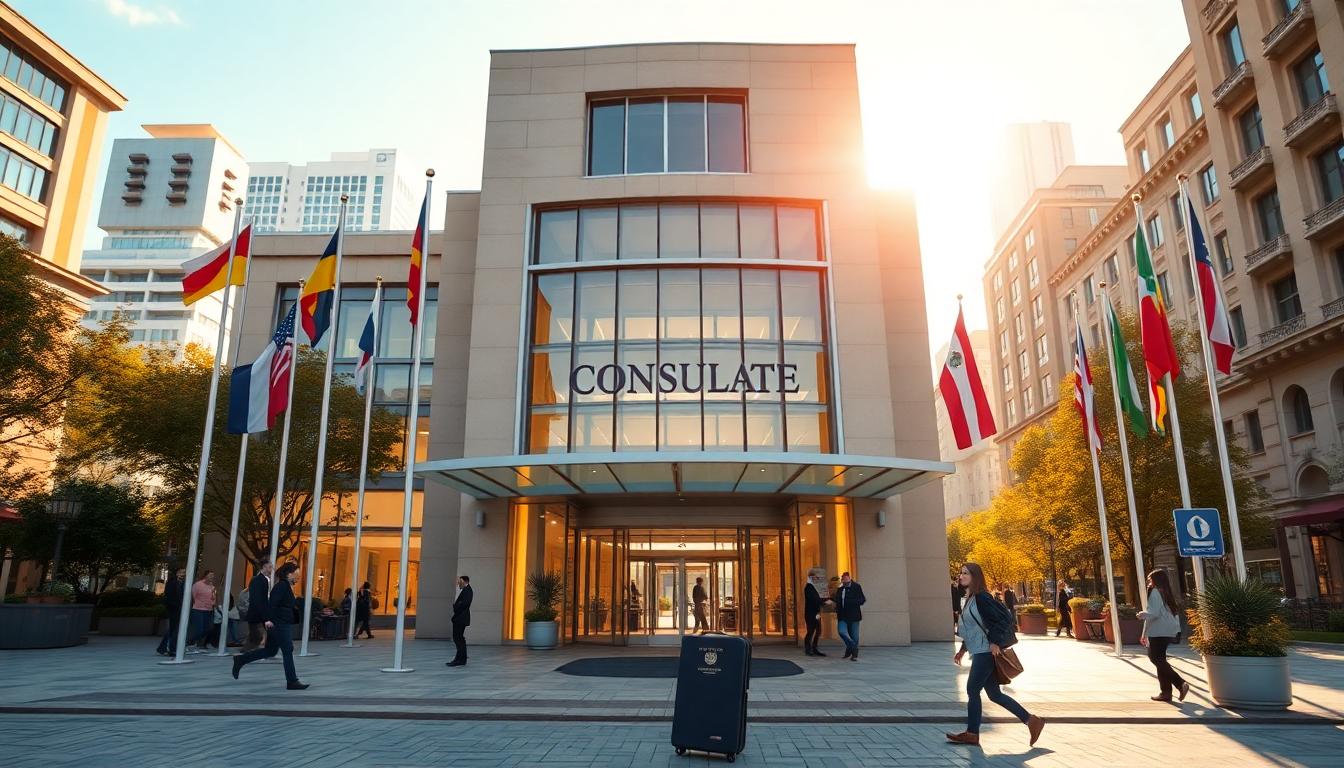
A consulate acts as a helping hand for citizens abroad. These offices sit in big cities outside a country’s capital. People rely on consulates when life throws them a curveball far from home. While the main embassy deals with bigger state talks, consulates help regular people with daily problems.
Daily Services at a Consulate
People use consulates for real needs every day. These offices handle a range of services for travelers, students, and workers. A few key tasks include:
- Issuing or replacing passports and travel documents.
- Providing notary services for legal documents.
- Helping during arrests, lost property, or medical trouble.
- Registering births, deaths, and marriages abroad.
- Supporting students with paperwork for study permits.
- Advising workers about visas, local rules, or urgent situations.
Imagine a family living abroad. They plan to get married in their new city. The parents head to the consulate, where staff help them fill out forms—checking IDs, confirming details, and stamping papers. Soon, they walk out holding legal marriage papers. This simple service makes a world of difference when far from home.
Consulates make foreign cities feel familiar again. For a deeper look at how consulates help in daily life, visit this handy guide on Consulate Vs. Embassy: What’s the Difference?.
You can also learn how these roles connect to global trends by reading about AI Consulate General of France responsibilities.
What Is a Consulate General?
A consulate general feels like a city’s unofficial embassy, tucked in the heart of global hubs. Most people brush past these buildings, unaware of the experts inside. But in times of trouble—like losing a passport or facing a local emergency—they are a lifeline for travelers and residents. The consulate general stands apart from smaller consulates because of how much it covers and who leads it.

Leadership and Scope of a Consulate General
A consulate general operates under the steady hand of a consul general, who acts like a team captain. This person carries more authority than the head of a regular consulate. The consul general leads a bigger staff, keeps in close contact with both the embassy and the home government, and watches over important news and events in the city and region.
Daily life inside these offices can be hectic. During a major disaster—think hurricane or earthquake—the consul general springs into action. She might gather her team, call embassies from other countries, and coordinate how to get aid to locals and foreign citizens. Radios crackle, phones ring, and leaders compare notes on the best next steps. The consul general acts as both a decision-maker and a lifeline, linking help and hope in stressful moments.
Here’s what sets the consul general’s role apart from a smaller consulate’s:
- Higher Rank: The consul general’s decisions ripple outward, affecting entire regions.
- Greater Reach: Staff handle everything from legal issues to urgent rescue needs.
- Direct Reporting: The consul general briefs top government leaders and tracks news that may shape national policy.
To see more about how consulate generals influence global teamwork and policy, visit Germany’s AI Consulate General in the global context.
For a deeper dive into the difference between consulates and consulate generals, read Consulate Vs. Embassy: What’s the Difference?.
Key Differences Between a Consulate and a Consulate General

When travelers or expats need help abroad, finding the right office matters. Both consulates and consulate generals support citizens, but the services, staff, and power levels set them apart. Knowing which door to knock on can save time and effort when it counts. Need to replace a lost passport in a hurry? Looking for deep support with trade or legal trouble? The answer depends on which office is nearby.
When to Use Each Office: Guide Readers on Choosing Based on Needs
Trying to figure out where to go? Here’s a simple way to decide.
Need quick passport help or a simple visa stamp? Head to a consulate. These offices handle straight-forward tasks for travelers every day. Consulates are often in smaller cities and give quick, routine support.
Looking for more involved help—say you’re dealing with a tricky legal problem, trade issue, or you need big-picture business advice? Visit a consulate general. These hubs, found in major cities, cover broader issues and have more staff. They often act as a lifeline during regional emergencies.
Use this checklist before your visit:
- Passport lost or stolen? Consulate is your spot for fast paperwork.
- Business partnership or legal confusion? Consulate general can pull more resources.
- Not sure? Search your country’s foreign affairs website for their diplomatic office list in your destination. Double-check addresses—consulates and consulate generals can be blocks apart.
For extra details about consular roles and real-life examples, the Consulate Vs. Embassy: What’s the Difference? article gives a sharp overview. If you want a current look at how consulate generals shape business and diplomacy, the AI Consulate General of Bangladesh: global diplomacy hub breaks down key services and leadership in the field.
Conclusion
The difference between a consulate general and a consulate comes down to reach, responsibility, and the kind of help each can give. The consulate handles day-to-day needs with smaller staff, like replacing passports and helping with legal paperwork. The consulate general, led by a consul general, directs bigger teams, covers more ground, and steps in during larger emergencies. It serves as the main link between citizens abroad and their home country’s top leaders.
Anyone traveling or living outside their home country can face tough moments. By picking the right office, problems get solved faster and with less stress. Learning about these offices protects your trip and gives peace of mind when it matters most.
For a closer look at how consulate generals shape diplomacy in different regions, see how Canada’s AI Consulate General and global diplomacy (2025 update) supports national interests.
Share your stories or questions below if you’ve used consular services during your travels. Each comment builds the shared knowledge, helping others stay safe abroad. Every stamped passport and act of consular help draws invisible lines, connecting people across cities and continents.

1 Comment
[…] on what consulates do (and how a consulate differs from a consulate general), this overview helps: difference between a consulate general and a consulate. That context matters, because people toss “consulate” around when they really mean […]